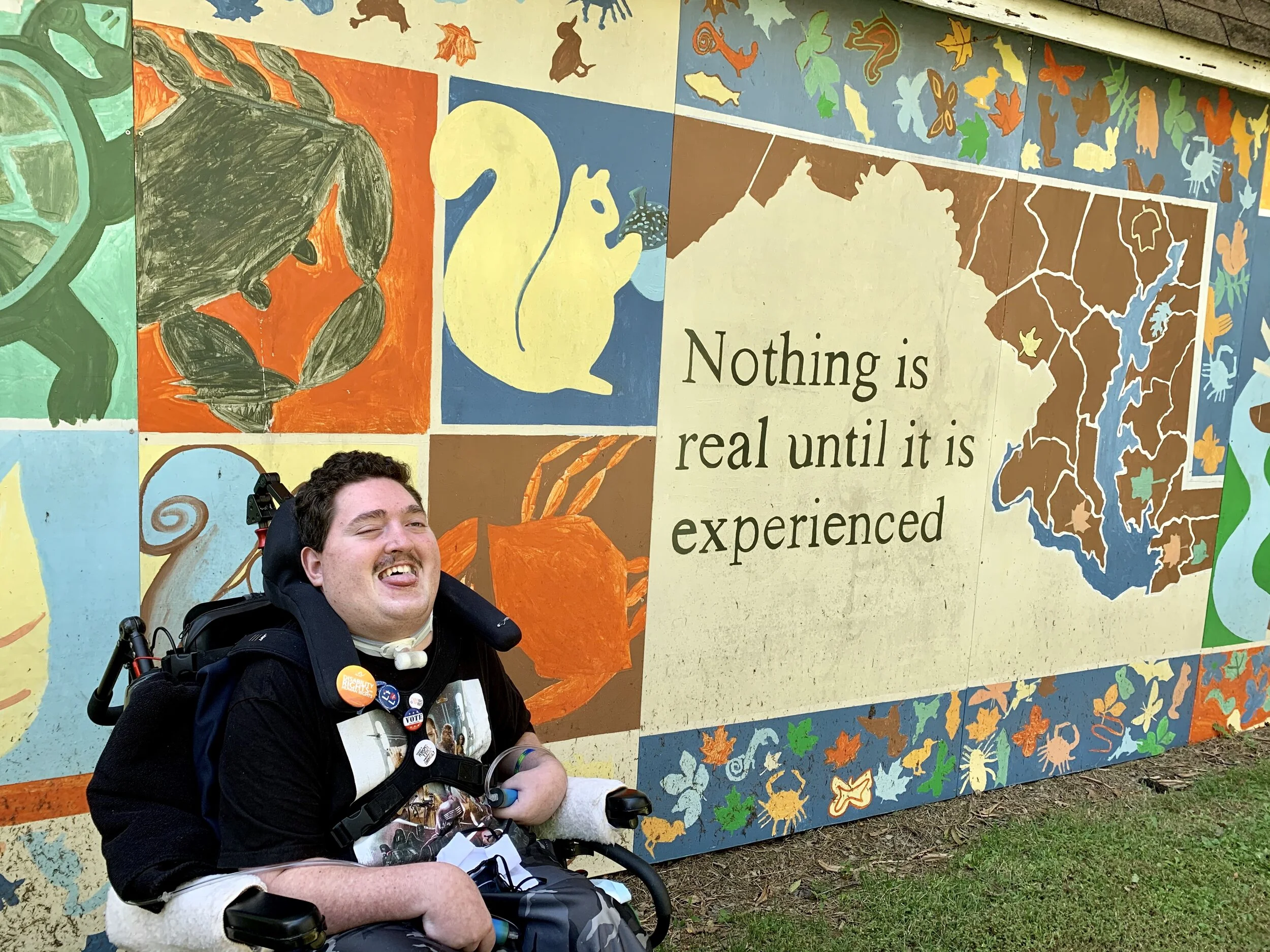
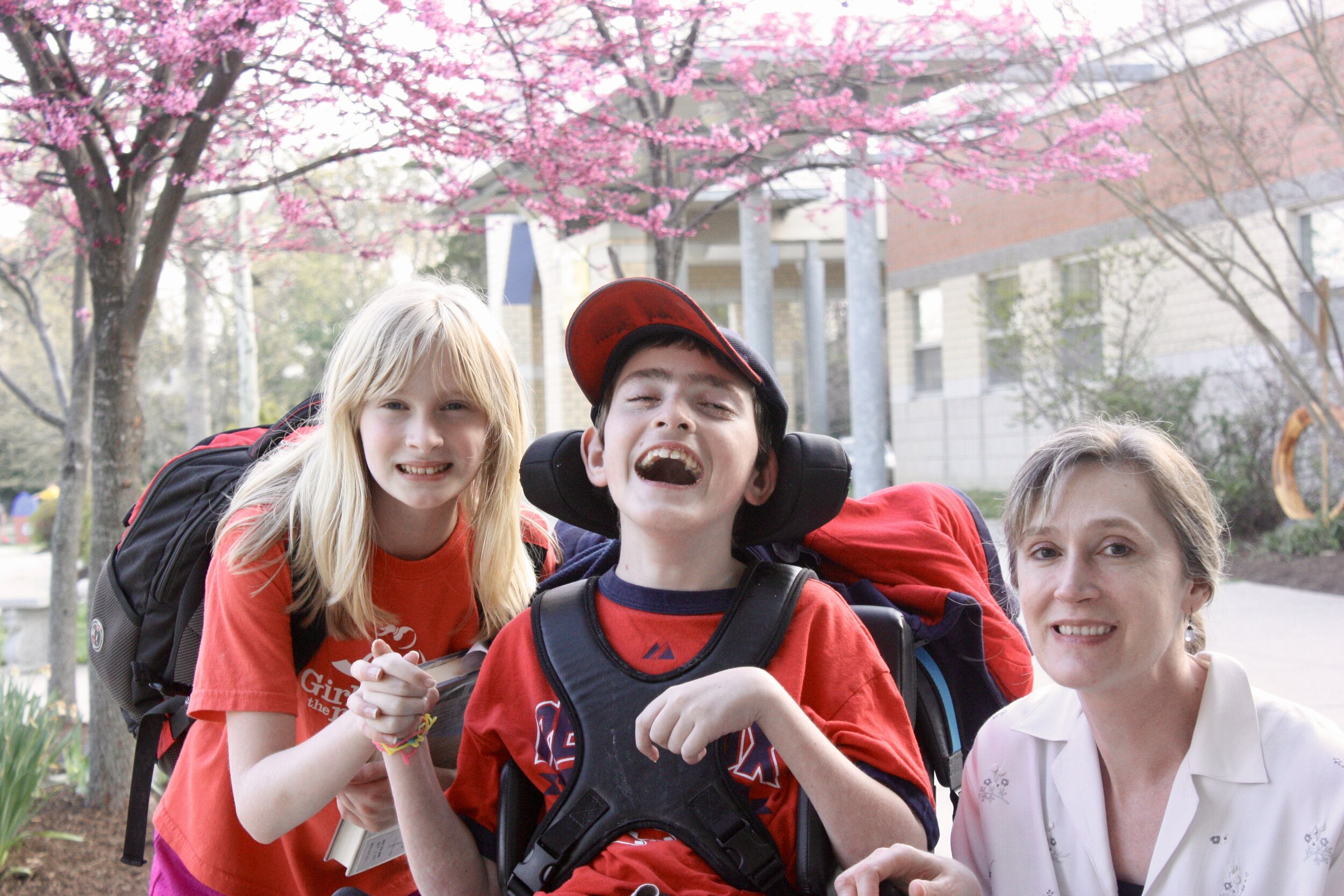
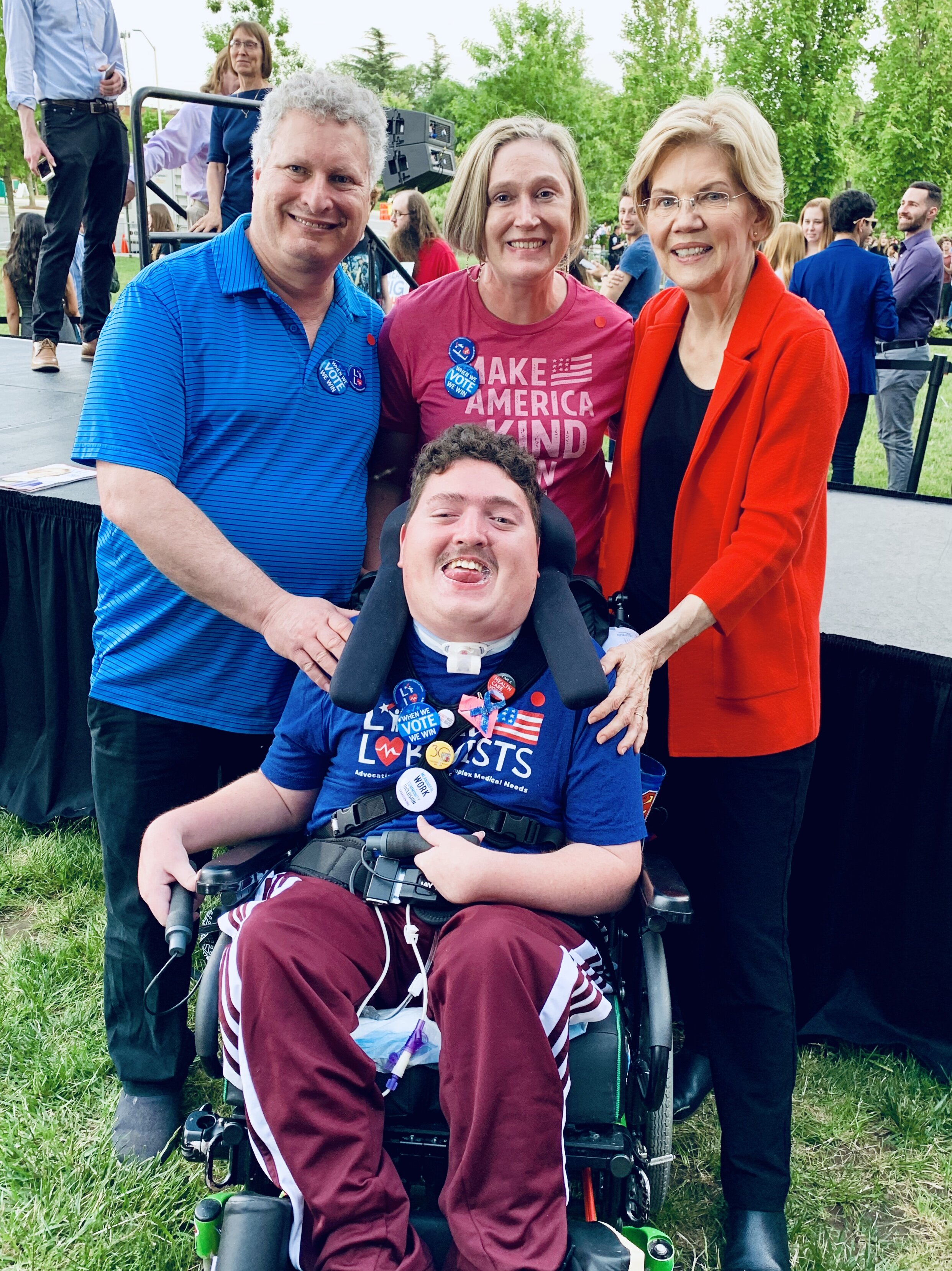
Rob & Jeneva Featured in the News: August 2026
Stateline News
BY ANNA CLAIRE VOLLERS-AUGUST 6, 2026
“More and more burden falls on family caregivers to fill in the gaps, and that leads to unsustainable economic situations for families,” she said. “Once your job situation falls apart, your savings are gone, you’re faced with this ugly choice: I believe strongly in my son’s civil right to stay in his community, but I can’t keep a roof over his head.”
Maryland Matters
Commentary by Jeneva Stone (August 8, 2026):
“My disabled son has civil rights, just like all of us”
“The expert care our families provide — amounting to several full-time jobs — saves taxpayers millions in unnecessary ER visits and hospitalizations. We often know more about our child’s medical care than the best home nurse. We are the families who manage medical care for children and adults with tracheostomies, ventilators, tube-feedings, wheelchairs, and other medical interventions. Our loved ones typically need care from someone who is awake at all times, including overnight. We often go without sleep due to the home nursing crisis. The nursing situation in facilities where the state wants to force Rob to live isn’t any better; in fact, it is far more dangerous.”
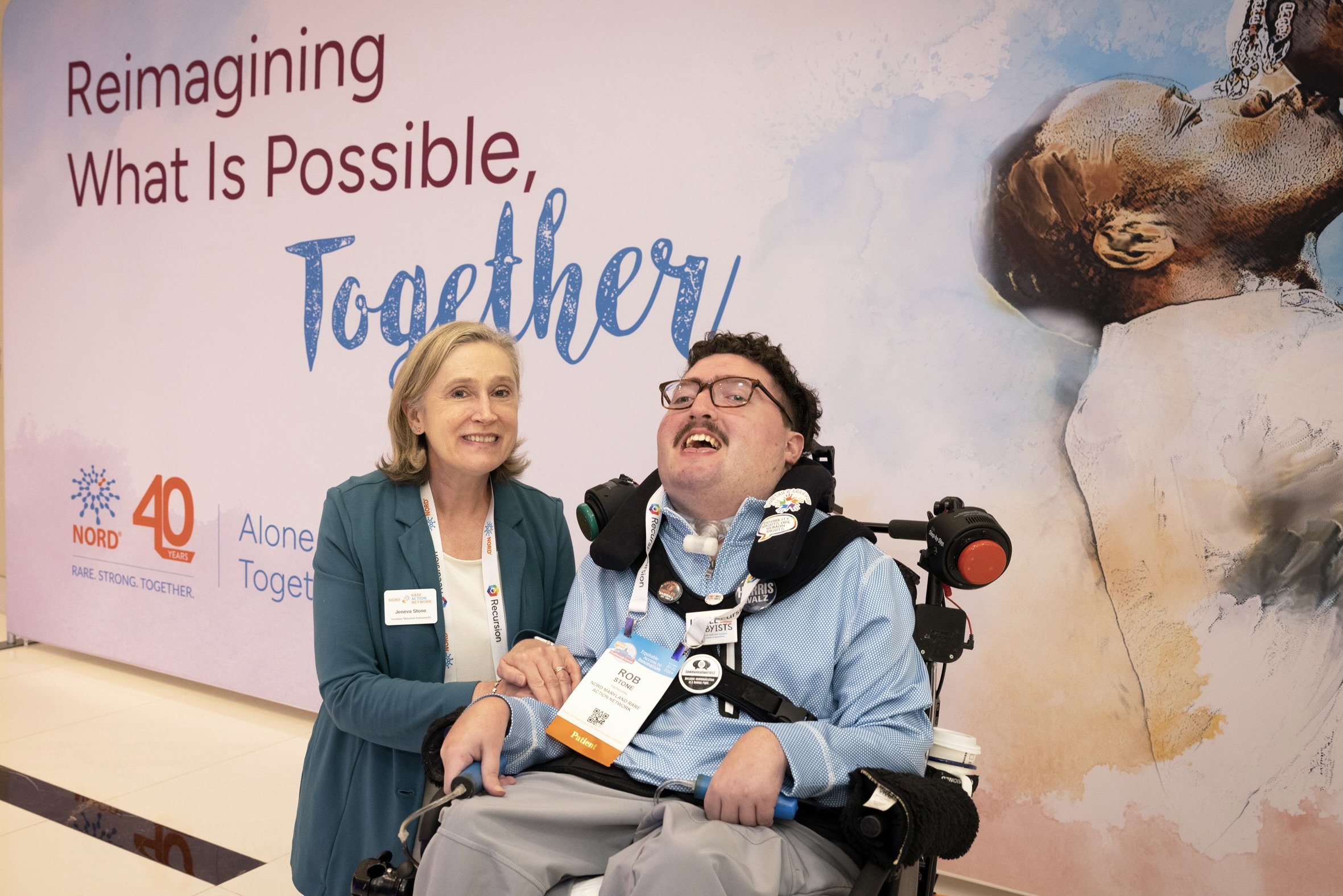
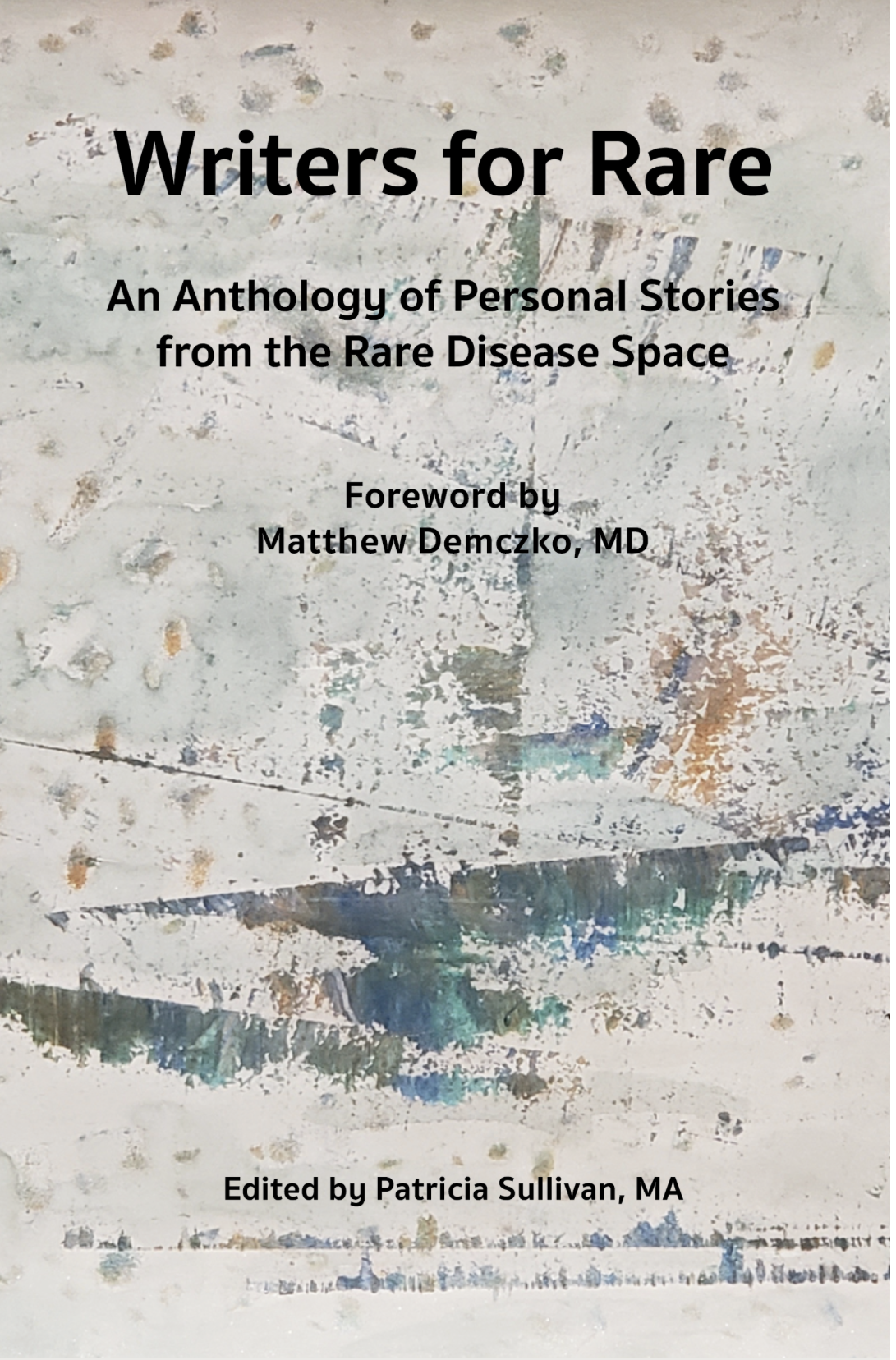
Writers for Rare:
An Anthology of Personal Stories From the Rare Disease Space
Jeneva’s essay, “How a Diagnostic Odyssey Begins,” details the sudden onset of her son Rob’s ultra-rare condition, which became the onset of a 14-year struggle to find a diagnosis. This piece is also the first chapter of her memoir-in-progress.
“Writers for Rare is an anthology of thirty-two candid stories told from different perspectives in the rare disease space: patients, caregivers, medical professionals, and community allies. It’s also a testament to the bravery and resilience of the human spirit—a reminder that while conditions may be rare the human experience is shared.
These true stories are meant to inspire, educate, and give voice to the challenges and triumphs of the rare disease experience. Filled with emotion and raw authenticity, the narratives span generations, cultures, genders, and perspectives, yet recurring themes emerge: grit, determination, resilience, and hope. And despite the many challenges encountered on this collective odyssey, the writers were often galvanized to advocate, leading efforts to reshape the dialogue, improve treatments, and enhance understanding for those living with rare diseases.”
“Writing While Caregiving”
Millay House Event, November 2025
Writing and caregiving often exist in tension—and in conversation—with one another. Whether planned or unexpected, short-term or lifelong, caregiving shapes how writers live, work, and create. For writers who also serve as caregivers, the challenge of sustaining a creative practice alongside the responsibilities of caring for children, elders, or loved ones with disabilities is both deeply personal and profoundly universal:
How do writer-caregivers keep the flame of their creative lives fed?
How do they successfully bank the embers when the inevitable disruptions rumble through?
How should they respond when, inevitably, someone questions the ethics of writing about the lives so intimately bound up with their own?
Jeneva was joined by fiction writers Sharon Gelman, Brian Trapp, and Grace Spulak, poets Sandra Beasley and Melissa McKinstry, and memoirist Faith S. Holsaert. This event invited writers, caregivers, and community members to explore how caregiving reshapes the creative process and how writing, in turn, can illuminate the caregiving experience.
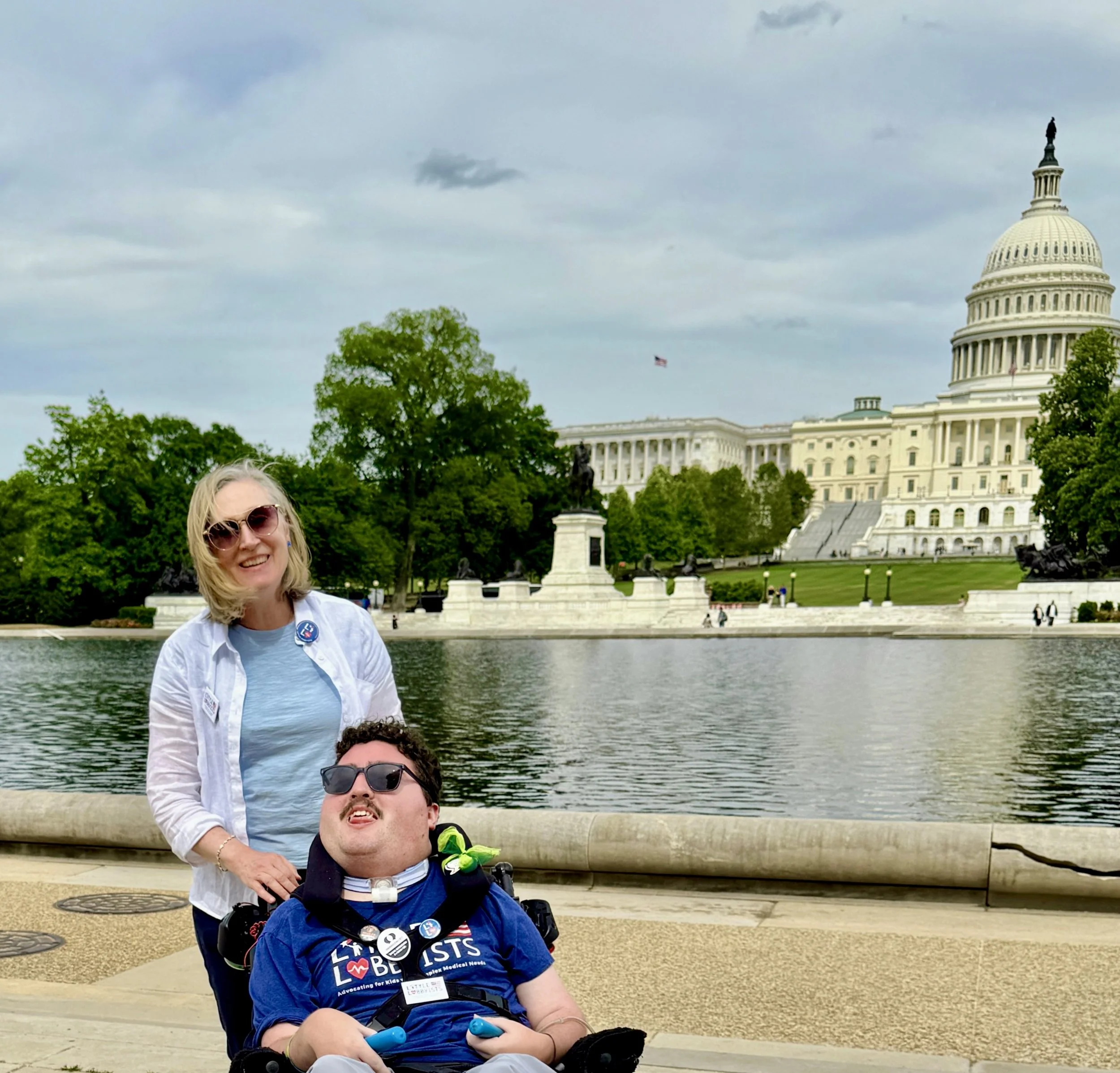
Protect Medicaid Summer 2025
In the spring of 2025, Congress introduced the Big Bad Bill (aka, “Big Beautiful Bill). Advocacy groups across the country rallied to hold Medicaid vigils, make videos, and speak to the media about the damage the $1 trillion cuts would be to people with disabilities and others who rely on Medicaid to stay in their homes and communities, to access health care, and to live independently. The BBB passed both houses of Congress on July 3, 2025, but the fight continues. #CancelTheCuts
(videos courtesy of Caring Across Generations)
“Disabled Americans Fear What Medicaid Cuts Could Do to Them,” by Maggie Astor:
“Rob Stone, 28, a disability rights advocate in Maryland, relies on two state Medicaid programs for nursing and other assistance to manage a rare form of dystonia linked with Parkinson’s disease.
“‘I don’t want to just survive,” he said. “Medicaid helps me live a fulfilling, independent life in my community. I should be able to control my own life, just like anyone else.’”
Rob Stone in The New York Times
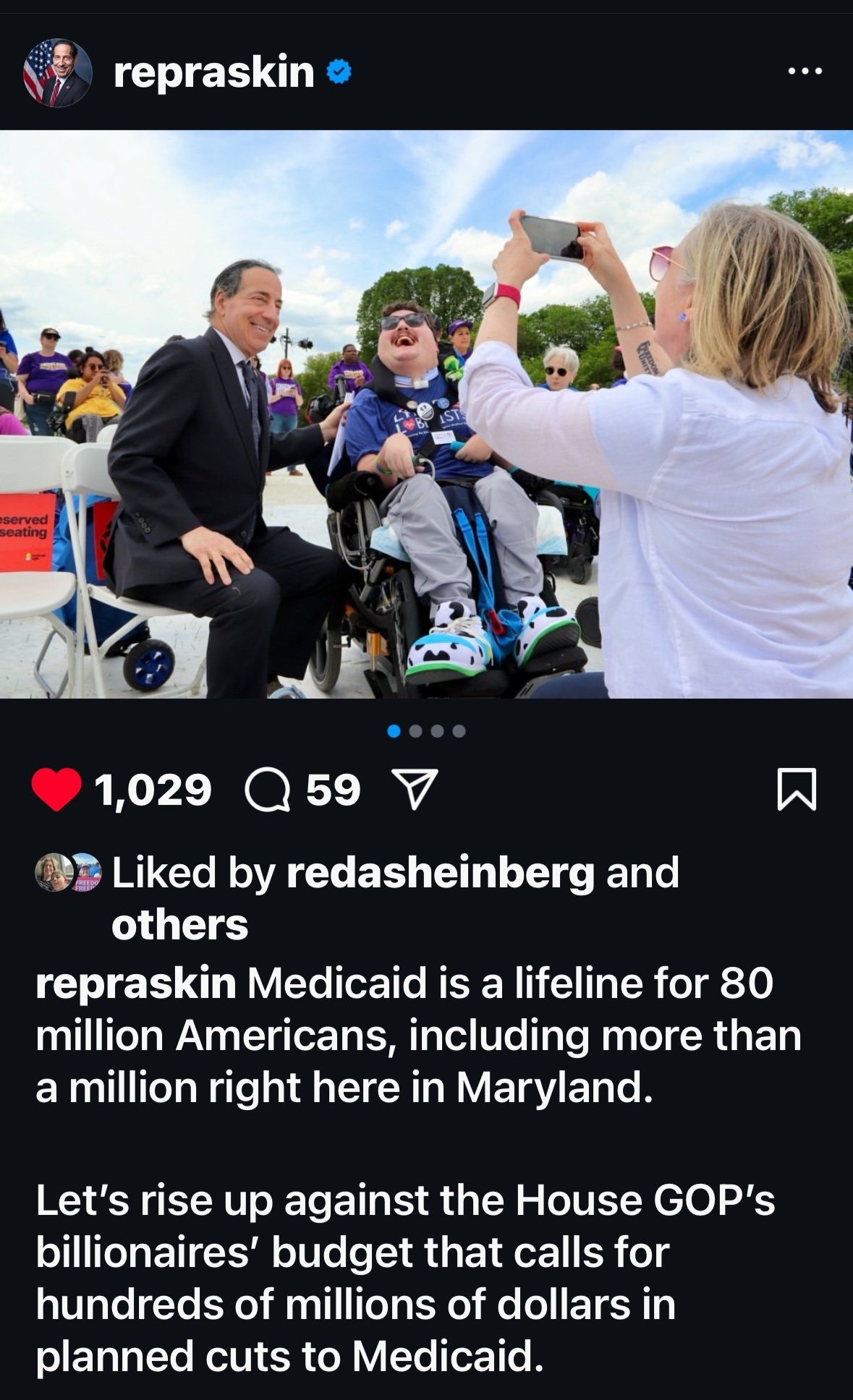
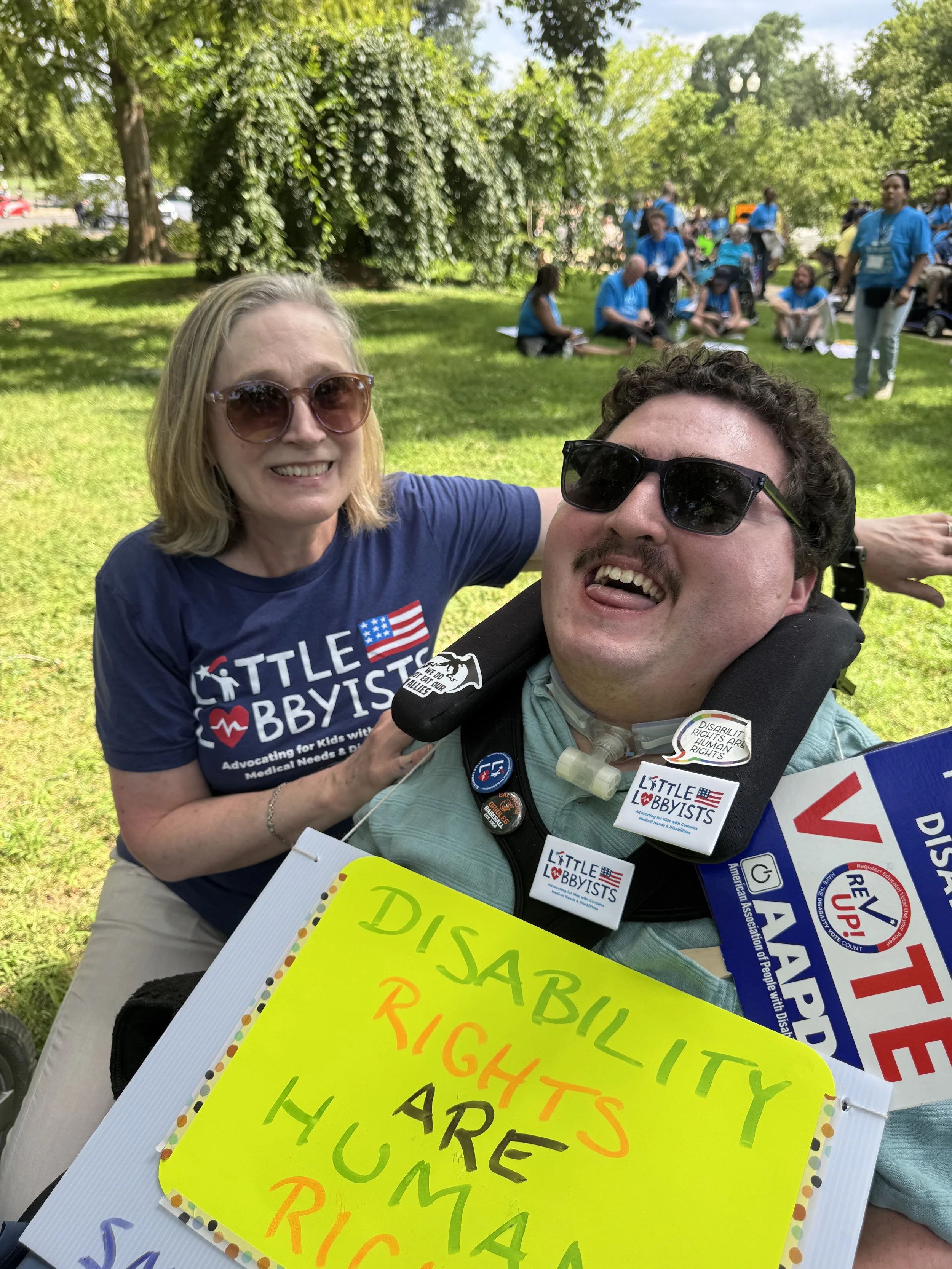
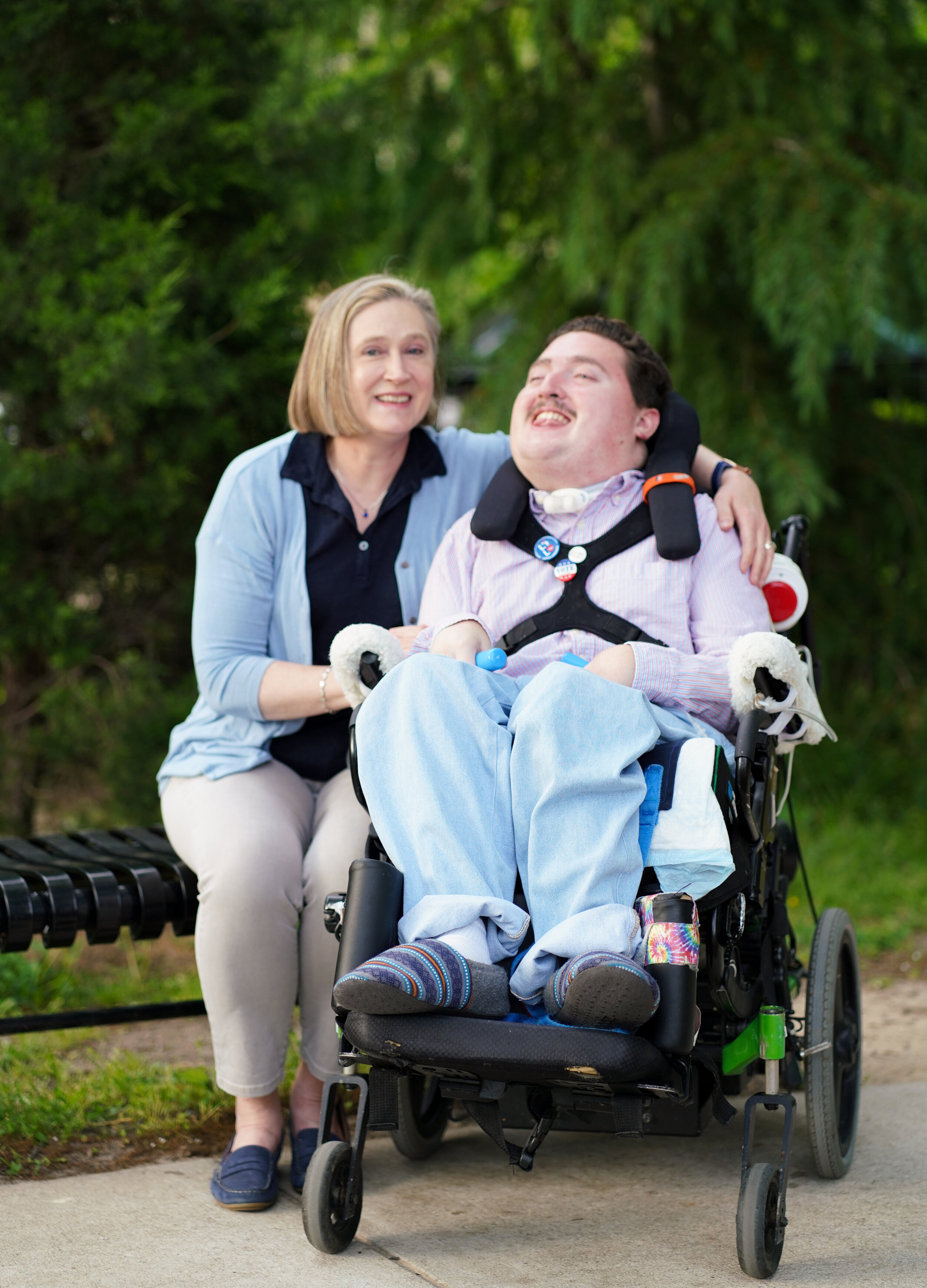
Photo: Rah Foard
NPR Story: 2022
Rob & I were featured in this NPR/KHN story, “Americans with disabilities need an updated long-term care plan, say advocates”
“No one will just sit down and tell me what is going to happen to my son,” she says. “You know, what are his options, really?”
RARE DISEASE DAY 2023

Photo: Rah Foard
Rob & I were featured in this Rare Disease Day story on WMAR, Baltimore: “Maryland Doctors: Be Aware of Rare Diseases.”

My essay, “Remaining Silent: The Facts,” published in APR, was listed as a “Notable Essay of 2020” in Best American Essays 2021
Rob’s Rare Disease Story